Theory of Consumer Behaviour Microeconomics ka ek aisa blockbuster concept hai jo hume batata hai ki ek aam consumer (yaani aap aur hum) market me jaakar shopping ke decisions kaise lete hain.
Is theory ka main objective ye samajhna hai ki jab consumer ke paas limited income (pocket money) hoti hai aur market me goods ke prices fixed hote hain, to wo kis tarah se paise kharch karta hai taaki usko maximum satisfaction (Utility) mile.
Mano tumhare paas sirf ₹50 hain. Tumhe chocolate 🍫 bhi chahiye, cold drink 🥤 bhi chahiye, aur ice-cream 🍦 bhi khani hai. Lekin ₹50 me sab kuch to nahi aa sakta! Ab tum jo soch-samajh kar decide karoge ki pehle kya khareeda jaye jisse sabse zyada khushi mile, usi decision-making ki study ko economists Theory of Consumer Behaviour kehte hain!
Consumer ke paas wants (khwahishein) unlimited hoti hain, lekin unhe poora karne ke liye resources (paisa) limited hote hain. Isliye usse har baar choice karni padti hai.
📊 Consumer Behaviour ka Map
Consumer behaviour ko samajhne ke liye hum in topics ko step-by-step padhte hain:
Theory of Consumer Behaviour
│
├── 1. Cardinal Utility Approach (Traditional Theory)
│   ├── Utility Meaning (Want satisfying power)
│   ├── Total Utility (TU)
│   ├── Marginal Utility (MU)
│   ├── Law of Diminishing Marginal Utility (LDMU)
│   ├── Law of Equi-Marginal Utility
│   └── Consumer Equilibrium (Marshallian Approach)
│
└── 2. Ordinal Utility Approach (Modern Theory)
    ├── Preference & Ranking (Which one is better?)
    ├── Indifference Curve (IC Analysis)
    ├── Marginal Rate of Substitution (MRS)
    ├── Budget Line (Paisa kitna hai?)
    └── Consumer Equilibrium (Hicks-Allen Approach)
1️⃣ Cardinal Utility Approach (Traditional Theory)
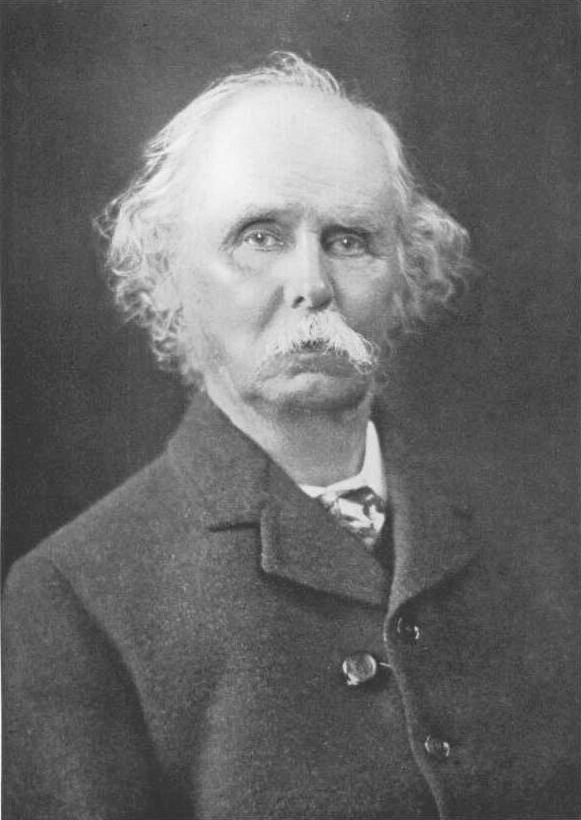
Developed By: Alfred Marshall
Famous British Economist (Father of Cardinal Utility)
Alfred Marshall uncle ne bola ki Utility (Satisfaction/Khushi) ko hum exact numbers me measure kar sakte hain! Is numerical measure ko hum "Utils" bolte hain.
Example: Agar aapne ek Apple khaya to aap keh sakte hain ki mujhe 20 Utils ki khushi mili, aur Mango khane par 15 Utils ki khushi mili. Yaani Apple se hume Mango ke mukable zyada satisfaction mili!

😋 What is Utility?
Simple words me bole to: "Want Satisfying Power of a Commodity." Kisi chiz ko consume karne se hume jo satisfaction ya khushi milti hai, use economics me Utility kehte hain.
Aap school se khel kar aaye aur bohot zor se bhookh lagi hai. Aapne ek hot, cheesy Pizza slice order kiya 🍕. Pehli bite lete hi jo dil se aawaz aati hai na—"Ah! Dil khush ho gaya!"—wahi satisfaction Utility hai!
📈 Total Utility (TU)
Jab hum kisi commodity ki sabhi units (jaise 4 slices pizza) ko consume kar lete hain, to un sabhi units se milne wali total satisfaction ko add karne par jo value milti hai use Total Utility (TU) kehte hain.
📉 Marginal Utility (MU)
Jab aap koi ek additional (ek aur extra) unit consume karte hain, to usse jo extra satisfaction milti hai use Marginal Utility (MU) bolte hain.

📊 TU and MU Schedule (Pizza Table)
Chalo ek schedule ke zariye dekhte hain ki jaise-jaise hum pizza slices khate hain, hamari TU aur MU kaise badalti hai:
| Pizza Slices (Quantity) | Total Utility (TU in Utils) | Marginal Utility (MU in Utils) | Reaction / Feel |
|---|---|---|---|
| 1st Slice | 20 | 20 | 😋 Waah! Swad aa gaya (Hungry) |
| 2nd Slice | 38 | 18 | 🙂 Achha hai, maza aaya |
| 3rd Slice | 52 | 14 | 😊 Pet bhar raha hai ab |
| 4th Slice | 60 | 8 | 😐 Bas ab thoda hi space hai |
| 5th Slice | 60 | 0 | 😑 Ekdam full! No more utility |
| 6th Slice | 56 | -4 | 🤢 Ulti jaisa feel ho raha hai (Overeating!) |
🔄 TU aur MU ka Relation (Dosti aur Dushmani)
Is table ko dekh kar hume 3 super-important baatein pata chalti hain:
- Jab tak MU Positive hai (+): Tab tak TU badhta rehta hai (1st se 4th slice tak TU 20 se 60 tak gaya).
- Jab MU Zero ho jata hai (0): Tab TU apne maximum point (60 Utils) par hota hai. Is point ko economists Point of Satiety (Full Satisfaction) kehte hain.
- Jab MU Negative ho jata hai (-): Tab TU niche girne lagta hai (60 se 56 ho gaya). Yaani ab maza dukh me badal gaya hai!
💡 Law of Diminishing Marginal Utility (LDMU)
Ye Cardinal Theory ka sabse famous law hai. Ise Alfred Marshall ne develop kiya tha (lekin iski basic root H.H. Gossen ke kaam se aayi thi, isliye ise Gossen's First Law of Consumption bhi kehte hain).
"Jaise-jaise consumer kisi commodity ki units ko continuously consume karta jata hai, waise-waise har additional unit se milne wali Marginal Utility (extra satisfaction) kam hoti chali jati hai."
🍕 Real Life Story: Pizza khate khate kya hota hai?
📌 Assumptions (Shartein)
Law tabhi kaam karega jab:
• Standard Units: Pizza slice hona chahiye, chammach se pizza khana nahi chalega!
• Continuous Consumption: Ek slice abhi aur dusra kal subah khana nahi chalega. Ek ke baad ek lagatar khana hoga.
• No Change in Taste/Income: Consumer ka mood, choice, aur income bilkul same rehni chahiye.
🚫 Exceptions (Kahan law fail hota hai?)
In cheezon par ye rule kaam nahi karta:
• Hobbies & Collections: Jaise rare coins collect karna. Jitne milenge, utna maza aayega (MU badhegi).
• Money 💰: Paise ki MU kabhi kam nahi hoti! Jitna paisa aaye, utna kam lagta hai.
• Addictions 🍷: Nashili cheezon par bhi ye rule apply nahi hota.
🌟 Law of Equi-Marginal Utility
Ise Alfred Marshall ne refine kiya tha aur ise Gossen's Second Law ya Law of Maximum Satisfaction bhi kaha jata hai.
Real Life Problem: Hamare paas paise limited hain, lekin hume alag-alag cheezein kharedni hain (Jaise Pizza 🍕 aur Cold Drink 🥤 dono). To hum un par paisa kaise kharch karein ki maximum maza aaye?
"Ek consumer apni limited income ko alag-alag goods par is tarah se divide karta hai ki **har product par kharch kiye gaye last rupee se milne wali Marginal Utility barabar ho jaye**."
Yahan Px aur Py dono goods ke prices hain aur MUx aur MUy unki marginal utilities hain.
Maan lo tumhare paas total ₹5 (Income) hain aur tum dono cheezein khareedna chahte ho: Chocolate (Good X) jiski price ₹1 hai, aur Cold Drink (Good Y) jiski price bhi ₹1 hai.
Dono se milne wali utility ka table niche dekho:
| Paisa spent (Rupees) | MU of Chocolate (Good X) | MU of Cold Drink (Good Y) |
|---|---|---|
| 1st Rupee | 12 Utils (Khareedo X) | 10 Utils |
| 2nd Rupee | 10 Utils (Khareedo X) | 8 Utils |
| 3rd Rupee | 8 Utils (Khareedo X) | 10 Utils (Khareedo Y) |
| 4th Rupee | 6 Utils | 8 Utils (Khareedo Y) |
| 5th Rupee | 4 Utils | 6 Utils |
Paisa Kharch Karne Ka Tarika:
• 1st Rupee: Tum Chocolate pe kharch karoge kyunki usse 12 Utils (12 > 10) mil rahe hain.
• 2nd Rupee: Phir Chocolate pe kharch karoge kyunki usse 10 Utils mil rahe hain, jo Cold Drink ke 10 Utils ke barabar hai.
• 3rd Rupee: Ab tum Cold drink khareedoge kyunki usse 10 Utils mil rahe hain.
• 4th Rupee: Tum Chocolate khareedoge (8 Utils) aur 5th Rupee se Cold Drink khareedoge (8 Utils).
Equilibrium Decision: Tumne 3 Chocolate (X) aur 2 Cold Drink (Y) khareedi. Yahan:
• Chocolate ki last (3rd) unit se milne wali MU = 8 Utils.
• Cold Drink ki last (2nd) unit se milne wali MU = 8 Utils.
• Dono se milne wali marginal utility barabar ho gayi (8 = 8)! Aur tumhara ₹5 pura spend ho gaya. Is tarah se tumhara total satisfaction maximize ho gaya!
⚖️ Consumer Equilibrium (Cardinal Approach)
Consumer Equilibrium wo balance point hai jahan consumer apni limited income ko spend karke maximum satisfaction hasil kar leta hai, aur ab wo apne is pattern ko change nahi karna chahta.
Conditions for Equilibrium
- Condition 1: MUx / Px = MUy / Py (Last rupee spent gives equal satisfaction).
- Condition 2: Consumer ka poora budget/paisa kharch hona chahiye.
- Condition 3: Law of Diminishing Marginal Utility apply hona chahiye (yaani MU continuously decline honi chahiye).
2️⃣ Ordinal Utility Approach (Modern Theory)
Developed By: J. R. Hicks & R. G. D. Allen (Modern Approach)
Hicks aur Allen uncle ne Alfred Marshall ke theory ko reject kar diya. Unhone bola, "Khushi ko numbers (Utils) me kaise measure kar sakte ho? Satisfaction to ek feel hai!"
Unhone bola ki consumer sirf apni preferences ko rank kar sakta hai (jaise pehla, doosra, ya teesra option).
Example: Consumer bol sakta hai ki: "Mujhe Burger ke mukable Pizza zyada pasand hai." Wo ye nahi bolega ki mujhe Pizza se 50 Utils aur Burger se 30 Utils mile.
📉 Indifference Curve (IC Analysis)
Indifference Curve (IC) wo curve hai jo do goods ke un sabhi combinations ko show karta hai jisse consumer ko bilkul equal level of satisfaction milti hai. Yaani consumer un combinations ke beech "Indifferent" (unbiased) hota hai.
Key Terms to Learn:
- Marginal Rate of Substitution (MRS): Ek good ko paane ke liye consumer dusre good ki kitni quantity chhodne ko tayyar hai taaki satisfaction level same rahe. (MRS humesha diminish hota hai).
- Budget Line: Ye line show karti hai ki aap apni limited income aur market prices ke hote hue do goods ke kaun-kaun se combinations maximum khareed sakte hain.
- Consumer Equilibrium (Ordinal): Jab aapki Budget Line highest possible Indifference Curve ko touch karti hai (tangency point), use Equilibrium kehte hain (slope of IC = slope of Budget Line yaani MRSxy = Px/Py).
📌 Assumptions of Indifference Curve (IC) Approach
IC Analysis ko ache se samajhne ke liye economists ne kuch rules/assumptions (shartein) maan liye hain:
- Rational Consumer: Consumer bohot samajhdar hai aur wo hamesha apni limited income se maximum satisfaction paana chahta hai.
- Ordinal Utility: Consumer apni utility ya khushi ko numbers (jaise 10, 20) me nahi bata sakta, balki preferences ko Rank kar sakta hai (jaise Option A, Option B se zyada pasand hai).
- Diminishing Marginal Rate of Substitution (MRS): Jaise-jaise consumer ke paas Good X badhta hai, wo Good Y ko sacrifice karne ke liye kam rate par ready hota hai.
- Consistency and Transitivity: Agar consumer A ko B se zyada pasand karta hai aur B ko C se, to wo hamesha A ko C se zyada pasand karega (A > B & B > C => A > C).
✨ Properties of Indifference Curves (IC)
Indifference Curve ki in properties ko dhyan se yaad karein, ye exams me direct aati hain:
💸 Budget Line (Budget Constraint) - Deep Dive
Indifference Curve hamari khwahish dikhata hai, lekin market prices aur hamari limited income hamari aukaat (limit) dikhati hain. Isi budget boundary ko hum Budget Line kehte hain.
Yahan Px aur Py goods ke prices hain, Qx aur Qy quantities hain, aur M consumer ki total money income hai.
Shift in Budget Line (Income Changes)
Agar consumer ki income badh jaye (prices constant rehne par), to budget line right side parallel shift ho jayegi. Income kam hone par line left shift hoti hai.
Rotation of Budget Line (Price Changes)
Agar Good X ka price girta hai, to consumer sirf X ko zyada khareed payega, isliye line X-axis par bahar ki taraf rotate ho jayegi. Price badhne par andar rotate hogi.
🎯 Consumer's Equilibrium (Indifference Curve Approach)
Ek ordinal framework me, consumer wahan balance/equilibrium me hota hai jahan uski Budget Line uski highest possible Indifference Curve ko touch karti hai.
Equilibrium ke liye 2 Conditions:
- Condition 1 (Necessary): Budget line aur Indifference Curve ek dusre ke tangent hone chahiye. Yaani Slope of IC = Slope of Budget Line.
MRSxy = Px / Py - Condition 2 (Sufficient): Tangency point par IC curve convex to the origin hona chahiye, yaani MRS continuously diminish honi chahiye.
⚡ Price, Income & Substitution Effects
Jab kisi good ka price ya consumer ki income badalti hai, to demand par alag-alag psychological effects padte hain:
- Income Effect (IE): Jab market prices same rehte hain aur consumer ki income badalti hai, to uski demand badalti hai. Normal goods ke liye ye positive hota hai, aur inferior goods ke liye negative. (Price gurne se "Real Income" ya purchasing power badh jati hai).
- Substitution Effect (SE): Jab consumer ki real income ko constant rakha jaye (taaki satisfaction level same rahe) aur relative prices badle, to saste product ki demand badhti hai aur mehngi ki girti hai. Substitution effect humesha negative hota hai.
- Price Effect (PE): Di gayi nominal income aur doosri goods ke price ko constant rakh kar jab kisi product ka apna price badalta hai, to uski demand par jo total asar padta hai use Price Effect kehte hain.
Economist J.R. Hicks aur Slutsky ne math aur graphs ke zariye dikhaya ki jab kisi product ka price girta hai (Price Effect), to demand do wajah se badhti hai: pehla consumer use doosre commodities se replace karta hai (Substitution Effect) aur doosra bache hue paiso ki wajah se khud ko richer samajh ke extra units leta hai (Income Effect).
⚔️ Comparison: Cardinal vs Ordinal Approach
Dono approaches ke beech ke difference ko is simple table se turant yaad karein:
| Basis | Cardinal Approach | Ordinal Approach |
|---|---|---|
| Measurability | Utility is measurable in numbers (Utils). | Utility is NOT measurable, only ranked (1st, 2nd, 3rd). |
| Developed By | Alfred Marshall | J. R. Hicks & R. G. D. Allen |
| Tools Used | Marginal Utility (MU), Total Utility (TU) | Indifference Curve (IC) & Budget Line |
| Realism | Less realistic (khushi ko naapna mushkil hai). | More realistic (preferences rank karna aasan hai). |
| Equilibrium Condition | MUx/Px = MUy/Py | MRSxy = Px/Py |
📝 Quick Revision Key Points
- Consumer behaviour theory ke do main approaches hain: Cardinal aur Ordinal.
- Cardinal approach kehta hai utility numbers me measure hoti hai, jiska key concept Law of Diminishing Marginal Utility hai (jaise-jaise consumption badhega, extra khushi kam hogi).
- Ordinal approach kehta hai utility naap nahi sakte, sirf compare kar sakte hain. Iska key tool Indifference Curve hai.
- Modern Microeconomics me Ordinal approach ko zyada scientific aur realistic mana jata hai.
No comments yet.